How to Protect Your AC System From a Storm or Hurricane
How to Protect Your AC System From a Storm or Hurricane
Living along the Gulf Coast means preparing your home for severe weather—and that includes your air conditioning system. While many homeowners focus on securing windows and outdoor furniture, the AC system is often overlooked until after a storm causes costly damage.
At Wingate's Air Conditioning, we know how important reliable cooling is for Florida families, especially during hurricane season. Taking a few preventative steps before a storm arrives can help protect your HVAC equipment, reduce repair costs, and get your system back up and running faster once the weather clears.
Why Hurricanes and Storms Threaten Your AC System
Your outdoor condenser unit is exposed to the elements year-round, making it vulnerable to:
- Flying debris
- High winds
- Heavy rainfall and flooding
- Power surges from lightning strikes
- Electrical fluctuations during outages and power restoration
Even a brief power surge can damage critical components such as the compressor, capacitor, control board, or thermostat. In some cases, the repair costs can approach the price of a system replacement.
1. Schedule Preventative Maintenance Before Hurricane Season
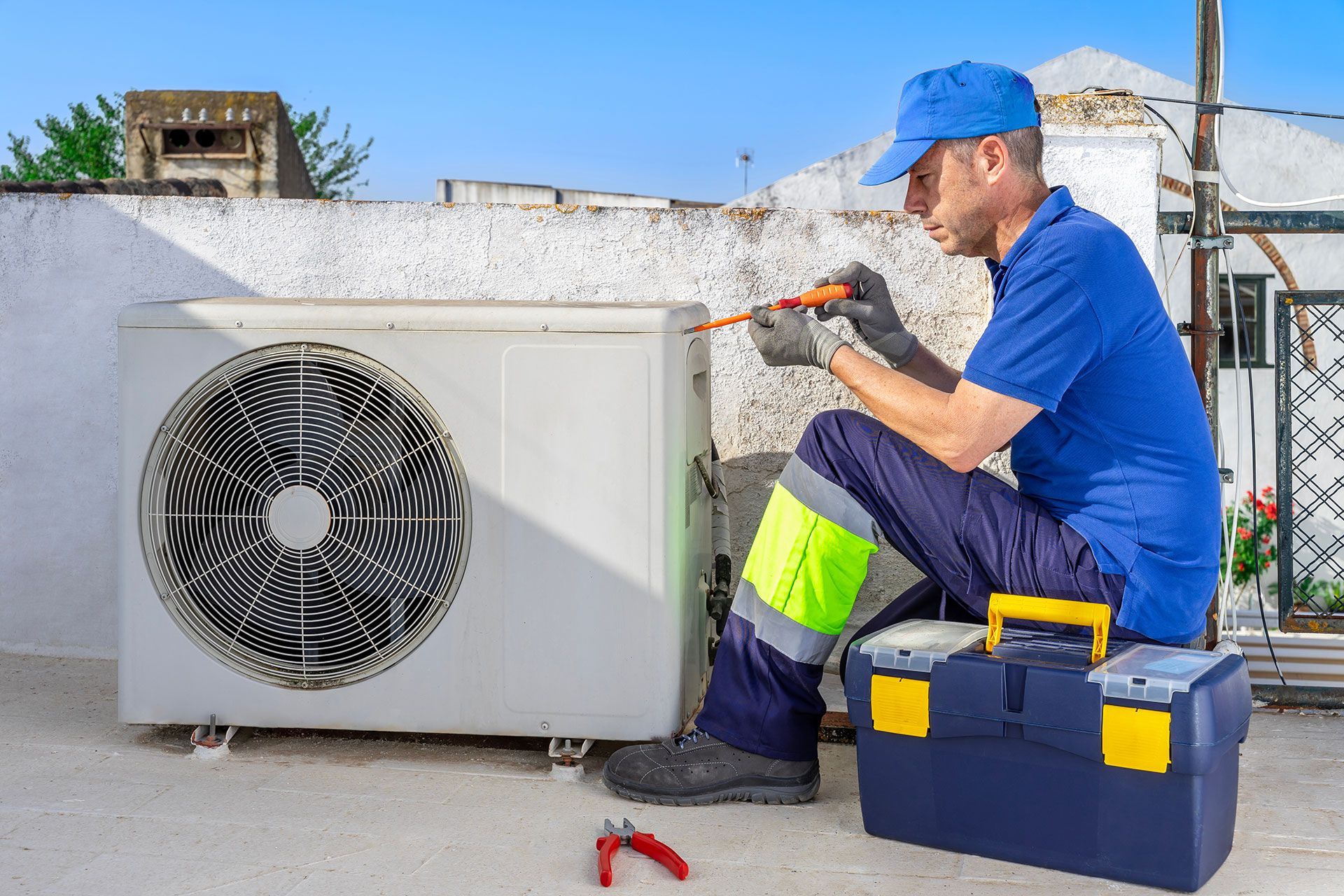
One of the best ways to protect your AC system is to ensure it's in good condition before severe weather arrives.
A professional HVAC inspection can identify:
- Loose electrical connections
- Worn components
- Weak mounting hardware
- Drainage issues
- Existing damage that could worsen during a storm
Routine maintenance also provides documentation of your system's condition, which may be helpful if you need to file an insurance claim after a hurricane.
2. Secure Your Outdoor Unit
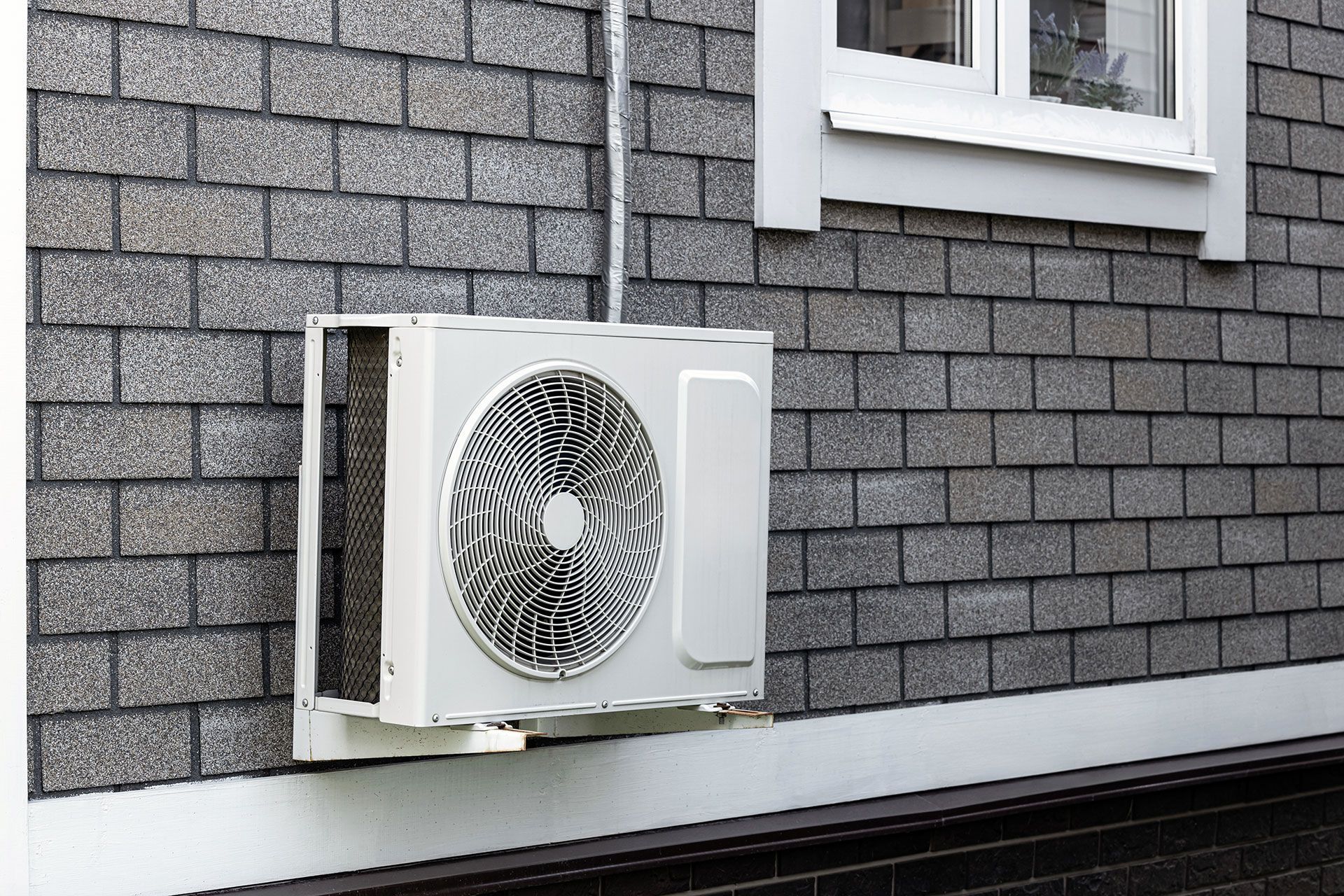
Strong winds can shift, tip, or damage an outdoor condenser unit if it isn't properly secured.
Consider:
- Hurricane-rated tie-down straps
- Reinforced mounting brackets
- Secure anchoring to the concrete pad
These measures help keep the unit stable during high winds and reduce the risk of costly damage.
3. Install Surge Protection
Florida is one of the most lightning-prone states in the country, making surge protection a smart investment.
Whole-home surge protectors and HVAC-specific surge protection devices can help shield your system from:
- Lightning-related surges
- Utility power fluctuations
- Damage when power is restored after an outage
Protecting your system's electronics can save thousands of dollars in repair or replacement costs.
4. Turn Off Your AC Before the Storm Arrives
When a hurricane warning or severe storm warning is issued, experts recommend shutting down your HVAC system.
Steps include:
- Turn off the thermostat.
- Shut off power at the circuit breaker or disconnect box.
- Leave the system off until conditions are safe.
This helps prevent damage from power surges, lightning strikes, and electrical fluctuations that often occur during severe weather.
5. Clear the Area Around Your Unit
Before a storm arrives, remove loose outdoor items that could become dangerous projectiles.
Move or secure:
- Patio furniture
- Potted plants
- Lawn equipment
- Decorations
- Branches and yard debris
Keeping the area clear reduces the chance of impact damage to your condenser unit.
6. Consider Flood Protection
Flooding can be just as damaging as high winds.
If your property is prone to flooding, consider:
- Elevating the outdoor unit
- Improving drainage around the equipment
- Redirecting water away from HVAC components
Water intrusion can severely damage electrical systems and mechanical components, often requiring extensive repairs.
What to Do After the Storm
Once the storm has passed:
Inspect Before Restarting
Before turning your AC back on:
- Look for visible damage.
- Remove debris from around the unit.
- Check for standing water or flooding.
- Verify the unit remains level and secure.
If the system was submerged or shows signs of damage, do not attempt to operate it.
Wait for Power to Stabilize
After an outage, allow power to stabilize before restarting your HVAC system. Sudden voltage fluctuations can cause additional damage to sensitive components.
Schedule a Professional Inspection
If your area experienced flooding, lightning activity, or significant wind damage, having your system professionally inspected can help identify hidden problems before they become major repairs.
Trust Wingate's Air Conditioning for Storm-Ready HVAC Service
Preparing your air conditioning system before hurricane season can make a significant difference in protecting your investment and maintaining comfort when you need it most.
At Wingate's Air Conditioning, our experienced technicians provide preventative maintenance, repairs, system inspections, and expert guidance to help homeowners throughout Milton, Navarre, Pace, Gulf Breeze, and surrounding Florida communities stay prepared for severe weather.
If you'd like to make sure your AC system is hurricane-ready, contact Wingate's Air Conditioning today to schedule a professional HVAC inspection before the next storm arrives.