Emergency HVAC Tips Every Florida Homeowner Should Know
Emergency HVAC Tips Every Florida Homeowner Should Know
Florida homeowners rely on their HVAC systems year-round. Between intense summer heat, relentless humidity, heavy rainfall, and hurricane season, your air conditioning system isn’t just a comfort feature—it’s essential to your home’s safety and livability. When outdoor temperatures climb into the 90s (with heat indexes well over 100°F), even a few hours without AC can make indoor conditions uncomfortable and potentially dangerous for children, pets, and elderly family members.
Unlike cooler climates where HVAC systems get seasonal breaks, Florida systems run nearly nonstop for much of the year. That constant demand increases wear and tear, making unexpected breakdowns more likely—especially during peak summer months when HVAC companies are at their busiest.
The good news? Many HVAC emergencies can be prevented or minimized with a little preparation and quick action. Knowing what warning signs to watch for and how to respond can save you from costly repairs, water damage, and long periods without cooling.
Common Emergency HVAC Tips
Know the Warning Signs Before a Breakdown
Most HVAC emergencies don’t happen without warning. Catching early signs can prevent a total system failure.
Watch for:
- Warm air blowing from vents when cooling is on
- Weak airflow
- Loud grinding, banging, or screeching noises
- Unusual burning smells
- Sudden spikes in energy bills
- Excess indoor humidity
If you notice any of these signs, call a licensed HVAC technician before the issue escalates—especially during peak summer months.
Change Your Air Filters Regularly
In Florida’s humid climate, air filters clog faster due to dust, pollen, and moisture.
A dirty filter can:
- Restrict airflow
- Cause coils to freeze
- Overwork the system
- Lead to system shutdown
Check your filter monthly and replace it every 1–3 months, depending on usage and indoor air quality.
Know How to Shut Off Your System
In an emergency—such as flooding, electrical issues, or burning smells—you need to shut the system down quickly.
Locate:
- Your thermostat controls
- The HVAC breaker in your electrical panel
- The outdoor disconnect box near the condenser
Shutting off power can prevent further damage and reduce fire risk.
Prepare for Hurricane Season
Florida storms can seriously damage HVAC equipment.
Before a storm:
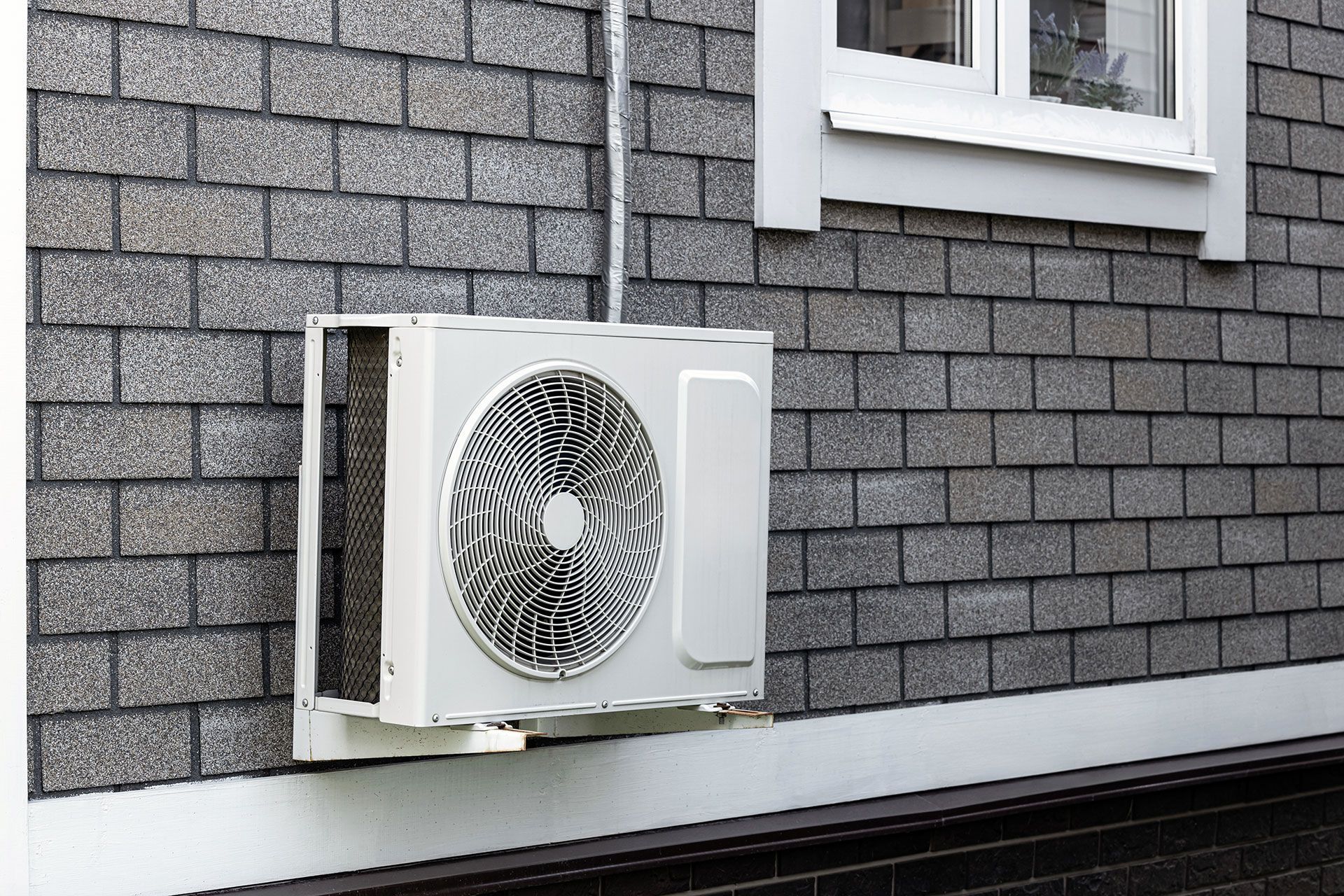
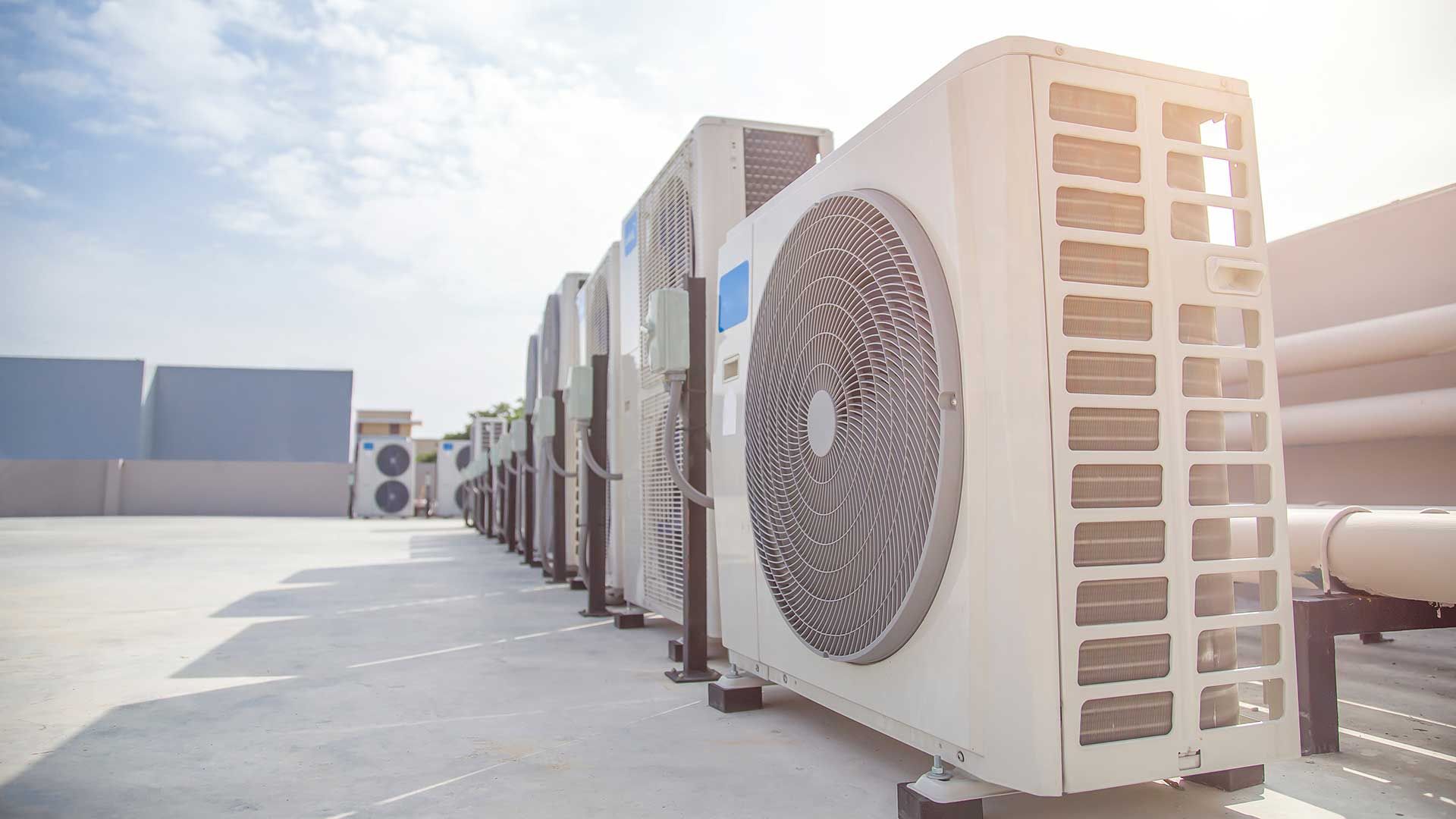
- Secure or anchor outdoor condenser units
- Clear debris around the unit
- Turn off the system at the breaker if flooding is expected
After a storm:
- Do NOT turn the system back on if it has been submerged
- Have a professional inspect for electrical or water damage
Water-damaged HVAC systems can be dangerous if restarted without inspection.
Keep the Drain Line Clear
Florida’s humidity means your HVAC system produces a lot of condensation. A clogged condensate drain line can trigger an automatic shutoff or cause water damage.
To prevent clogs:
- Pour a cup of distilled vinegar into the drain line every few months
- Watch for water pooling near the indoor unit
- Install a float switch for automatic shutoff protection
A clogged drain line is one of the most common emergency service calls in Florida.
Don’t Ignore Electrical Issues
Frequent power surges during storms can damage HVAC components.
Warning signs include:
- System short-cycling
- Breakers tripping repeatedly
- Unit not turning on
Consider installing a surge protector specifically designed for HVAC systems to protect your investment.
Contact Us Today to Schedule an HVAC Repair Service!
In Florida’s climate, HVAC emergencies aren’t just inconvenient—they can escalate quickly due to extreme heat and humidity. A small issue like a clogged filter or blocked drain line can turn into a full system shutdown at the worst possible time. Storm-related electrical surges, flooding, and debris add another layer of risk that homeowners in other states may never face.
If you’re unsure about your system’s condition, scheduling a professional inspection before peak season is one of the smartest investments you can make. At Wingate’s Air Conditioning, we understand the unique challenges Florida homeowners face, and we’re committed to delivering fast, efficient, and reliable HVAC repair services throughout the Navarre, Gulf Breeze, Milton, Pace, and Cantonment areas of Florida.
Contact our veteran-owned HVAC company today to schedule a prompt service!